This lecture celebrates the philosophy and humour of Professor Laurence Goldstein on13-14 May at the Lecture Theatre 3, Grimond Building
University of Kent, Canterbury Campus
Download the poster (in pdf format))
Full conference details (online)
This lecture celebrates the philosophy and humour of Professor Laurence Goldstein on13-14 May at the Lecture Theatre 3, Grimond Building
University of Kent, Canterbury Campus
Download the poster (in pdf format))
Full conference details (online)
Exegesis has an art project that intersects with the philosophy of Ludwig Wittgenstein to coincide with the 7th BWS Annual Conference. Click to see the full-sized poster.
Ray Monk has set up a Spotify playlist of Wittgenstein’s favourite music. It comprises some 220 tracks of mostly German music: Brahms, Schubert, Beethoven, Mendelssohn, Wagner with a little Yvette Guilbert thrown in. A listening time of 21 hours. What does the music tell us about the man?

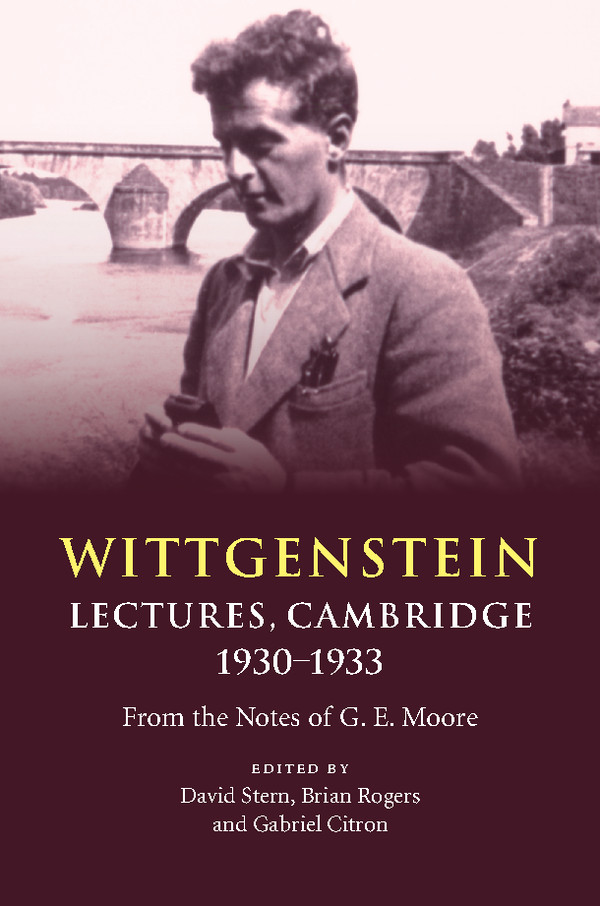
By the end of 2015, new facsimiles of most of the Nachlass from the Wren Library at Trinity College will be online at the Wittgenstein Archives at the University of Bergen, including:Wittgenstein: Lectures, Cambridge 1930-1933, From the Notes of G. E Moore Cambridge: Cambridge University Press (2016).
Stuart Greenstreet explains how analytical philosophy got into a mess.
This year’s centenary of the First World War coincides with Ludwig Wittgenstein beginning writing his Tractatus Logico-Philosophicus. Not the least astonishing fact about it is that most of it was written between 1914 and 1918 by a brave young soldier fighting at the front line.
This is the first of the three prints in the suite which refer to Wittgenstein’s biography, described on Paolozzi’s blog.
Wittgenstein’s philosophy is at odds with the scientism which dominates our times. Ray Monk explains why his thought is still relevant. Published in July 1999 issue of Prospect Magazine.
Full article online on this link
How a teacher of philosophy turned one writer into a poet.
An article by Garrett Caples on The Poetry Foundation website.
|
|
|
|
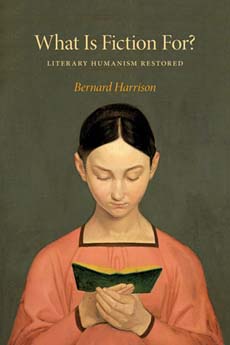
How can literature, which consists of nothing more than the description of imaginary events and situations, offer any insight into the workings of ‘human reality’ or ‘the human condition’? Can mere words illuminate something that we call ‘reality’? Bernard Harrison answers these questions in his profoundly original work, What is Fiction For?, and seeks to re-enfranchise reality in the realms of art and discourse. Read the flyer. |
|
The former archbishop of Canterbury, Rowan Williams reflects on the ideas of Wittgenstein and the ways in which language works in The Guardian.
If you have feedback on our website please contact
website@britishwittgensteinsociety.org